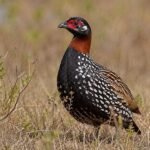
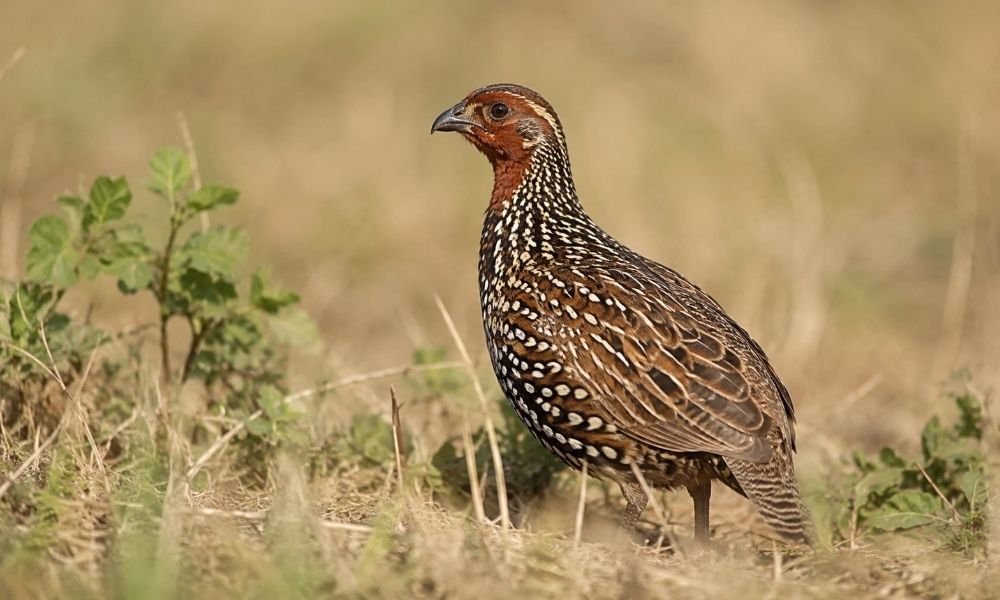

The Painted Francolin is a small ground bird from the pheasant family. It is also called Francolinus pictus. This bird is known for its brown body, dark markings, white spots, and shy nature. It lives mostly on the ground and likes dry grass, bushes, and open land. It is not a normal house pet like a parrot or canary. It is a wild bird, so owners must be very careful and must follow local wildlife laws.
What Is a Painted Francolin?
A Painted Francolin is a gamebird. It is related to pheasants, partridges, quails, and chickens. It is found in parts of India and Sri Lanka. BirdLife lists the species as a bird with a resident breeding range, and other bird records describe it as part of the family Phasianidae.
This bird is mostly a ground runner. It can fly, but it does not fly for long. It prefers to hide in grass and bushes. When it feels unsafe, it may run first and fly only when it must.
Important Facts About Painted Francolin
The Painted Francolin is about 31 cm long. Its weight is usually around 242 to 340 grams. It has a blackish bill, brown eyes, and reddish legs. The male has dark lower parts with many small white spots. The female is duller and has softer brown colours.
It is a shy bird. It is most active in the early morning and evening. In the wild, it may live in pairs or small family groups. It often feeds under cover but may enter farm areas to search for food.
Is Painted Francolin a Good Pet?
The Painted Francolin is not the best pet for a beginner. It is not cuddly. It does not like to be handled. It needs space, dry ground, grass cover, and a safe outdoor aviary. It is better for experienced bird keepers who already understand gamebirds.
You should never take a Painted Francolin from the wild. Only keep one if it is legal in your area and the bird is captive-bred from a trusted source. In the UK or any other country, always check animal welfare and wildlife rules first.
Types and Breeds of Painted Francolin
The Painted Francolin does not have pet “breeds” like chickens. It has natural subspecies. Three subspecies are commonly listed: Francolinus pictus pictus in central and southern India, Francolinus pictus pallidus in north-central India, and Francolinus pictus watsoni in Sri Lanka.
For a pet owner, the exact subspecies may not change basic care. All need quiet space, ground cover, safe food, clean water, and protection from stress.
Natural Habitat
In the wild, Painted Francolins live in dry grassland, scrub, bushy land, hilly areas, and places near small rivers or streams. In Sri Lanka, they are found in dry zones and rough grassy land up to about 1,500 metres.
This tells us one key care rule: this bird needs a natural-style home. A small cage is not enough. It needs a ground aviary with hiding spots, dry soil, sand, grass clumps, and safe plants.
Benefits of Keeping Painted Francolin
A Painted Francolin can be a beautiful and interesting bird for a careful keeper. It has a natural look and calm ground bird behaviour. Watching it scratch, walk, hide, and call can be enjoyable.
It can also help people learn about wild birds, gamebirds, and natural habitats. For the right keeper, it may be a special aviary bird. But it should be kept for care, learning, and conservation interest, not as a toy or show item.
Problems of Keeping Painted Francolin
This bird has some clear problems as a pet. It is nervous. It may panic if people, dogs, cats, or loud noises come too close. It can injure itself if it flies into wire or hard walls.
It also needs outdoor space. It may not do well in a small indoor cage. Cold, wet, dirty, or crowded housing can cause health problems. Another problem is legality. In many places, wild birds are protected. Always check the law before buying or keeping one.
Food and Nutrition
The Painted Francolin is a ground-feeding bird. In care, it should get a balanced gamebird diet. A good base can include quality gamebird or pheasant feed. You can add small seeds, greens, soft grasses, safe leaves, and small amounts of grains.
It may also eat insects, especially during breeding or growth. Mealworms and small safe insects can be offered in small amounts. Fresh water must be ready every day.
Do not feed salty food, spicy food, chocolate, sweets, old bread, mouldy grain, or rotten fruit. These foods can make birds sick.
Simple Feeding Plan
A simple feeding plan can look like this:
-
Morning: gamebird feed and fresh water
-
Midday: small greens or safe grasses
-
Evening: a small seed mix or grain treat
-
Sometimes: mealworms or insects for extra protein
-
Always: grit for digestion
Grit is important because ground birds need it to help grind food in the gizzard. Also keep food bowls dry and clean. Wet feed can grow mould fast.
Housing and Space
A Painted Francolin needs a safe aviary, not a tiny cage. The aviary should have a dry floor, soft ground, grass cover, low shrubs, and hiding places. It should also have a covered area to protect the bird from rain, cold wind, and hot sun.
Use fine, strong mesh to keep predators out. Cats, rats, foxes, dogs, snakes, and birds of prey can harm francolins. The roof should also be safe, because scared birds may fly up suddenly.
Care and Grooming
Painted Francolins do not need brushing or bathing by hand. They groom themselves. Give them dry sand or dust for dust bathing. Dust bathing helps keep feathers clean and may reduce mites.
Keep the floor dry. Remove old food, wet bedding, and dirty water daily. Clean feeding bowls often. A clean home is one of the best ways to stop disease.
Health and Safety
A healthy Painted Francolin should have bright eyes, clean feathers, steady walking, and good appetite. Warning signs include sitting still for a long time, puffed feathers, weight loss, watery droppings, breathing noise, weak legs, or not eating.
Call an avian vet if you see these signs. Do not wait too long. Small birds can become weak fast.
Safety is also important. Do not let children chase the bird. Do not keep it near loud machines. Do not mix it with aggressive birds. Stress can lead to injury, poor feeding, and sickness.
Breeding and Nesting
In the wild, Painted Francolins nest on the ground. The nest is often a small scrape lined with grass and leaves. The usual clutch is about 4 to 6 olive-brown eggs, though more can happen. The breeding season often starts after rains.
Pet owners should not breed them without knowledge, space, and legal permission. Chicks need heat, safe food, clean ground, and protection from trampling and predators.
Common Mistakes
Many new keepers make the same mistakes with ground birds. They use a small cage. They handle the bird too much. They give poor food. They forget predator safety. They keep the floor wet. They do not check local laws.
Another mistake is keeping one nervous bird in a busy place. Painted Francolins need calm space. They feel safer when they have cover and a quiet routine.
Practical Tips for Owners
Place the aviary in a calm area. Add grass clumps and low plants. Keep a dry shelter ready. Use soft roof netting or safe roof design to reduce head injuries. Give clean water every day. Watch droppings, appetite, and movement.
Do not change food suddenly. Mix new food slowly with old food. Keep records of feeding, cleaning, weight, and health. If the bird looks weak, contact an avian vet.
Conclusion
The Painted Francolin is a beautiful and shy ground bird. It is best for people who understand gamebirds and can give it a safe, natural-style aviary. It needs dry ground, clean water, good food, cover, peace, and strong predator protection.
It is not a simple pet for every home. Before keeping one, check your local law and buy only from a legal, captive-bred source. With the right care, the Painted Francolin can be a special bird to watch and respect.
FAQs
1. What is a Painted Francolin?
A Painted Francolin is a small ground bird from the pheasant family. It is known for brown feathers, dark marks, and white spots.
2. Can Painted Francolin be kept as a pet?
It may be kept only where it is legal and only if captive-bred. It is not a normal indoor pet and is better for experienced bird keepers.
3. What does Painted Francolin eat?
It can eat gamebird feed, seeds, grains, greens, grasses, and small insects. It also needs clean water and grit.
4. Does Painted Francolin need a cage?
It needs a safe outdoor aviary, not a small cage. It needs ground space, hiding spots, shelter, and predator protection.
5. Is Painted Francolin friendly?
It is usually shy and careful. It does not like too much handling. It is best watched quietly.
6. What are common health problems?
Stress, injury, parasites, poor food, dirty water, wet ground, and predator fear can cause problems. An avian vet should check sick birds.
7. Is Painted Francolin rare?
The species is listed as Least Concern, but local numbers can still be affected by hunting, fire, and habitat change.